PTIR — Daily Briefing — November 19, 2026
by
Executive Summary
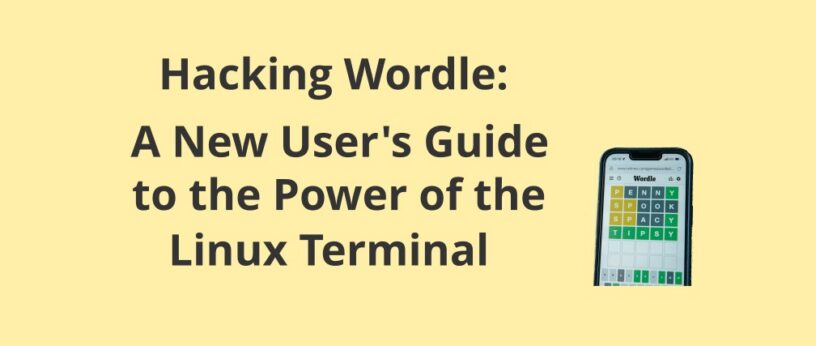
Three developments are worth saving. Fedora Magazine has published an unusually complete beginner Bash exercise built around a Wordle word list. CSTA has opened registration for a December 9 session on responsible classroom AI workflows. GitHub Team organizations now receive automatic, free security risk assessments that surface exposed credentials and code vulnerabilities for administrators.
Action Queue
1. Save the Wordle-based Bash guide and teaching lab
Fedora Magazine’s guide turns a familiar word game into a practical introduction to Bash: working directories, wget, less, wc, nano, grep, regular-expression anchors, pipes, sort, uniq, head, column, tee, and a small shell script. The commands operate on a plain-text word list, making every intermediate result inspectable.
A compact classroom version is now available as a canonical teaching lab rather than being duplicated here.
Recommended action: Work through the guide once in a disposable directory, then use the short lab as an early Linux assignment or demonstration. Emphasize copying source data before editing and explaining every stage of a pipeline.
- Urgency: This week
- Importance: ★★★★★
- Verified active: November 19, 2026
- Deadline: No deadline
- Cost: Free article and openly accessible dataset; no regular price
- Requirements: Linux or another Bash environment; terminal;
wget,grep,wc,sort,uniq, and a text editor - Official guide: Fedora Magazine
- Teaching lab: Wordle Terminal Pipelines
2. Register for CSTA’s responsible-AI classroom session
CSTA’s December 9 professional-learning session, AI in Your Classroom: Let’s Make Sense of It Together, connects the CSTA Standards to K–12 AI literacy and classroom workflows. CSTA Responsible AI Fellows will demonstrate teacher-created resources, followed by community breakout discussions.
Recommended action: Register now, then attend with one narrow question: how should a beginning programming course distinguish legitimate AI-supported debugging from outsourcing the reasoning students are meant to practice?
- Urgency: This week
- Importance: ★★★★☆
- Verified active: November 19, 2026
- Deadline: Event is December 9, 2026, 5:30–7:00 p.m. Central; no registration cutoff is stated
- Cost: No fee is listed on the official event page; no regular price is stated
- Requirements: CSTA account and event registration
- Official registration: Computer Science Teachers Association
3. Review automatic security findings in GitHub Team organizations
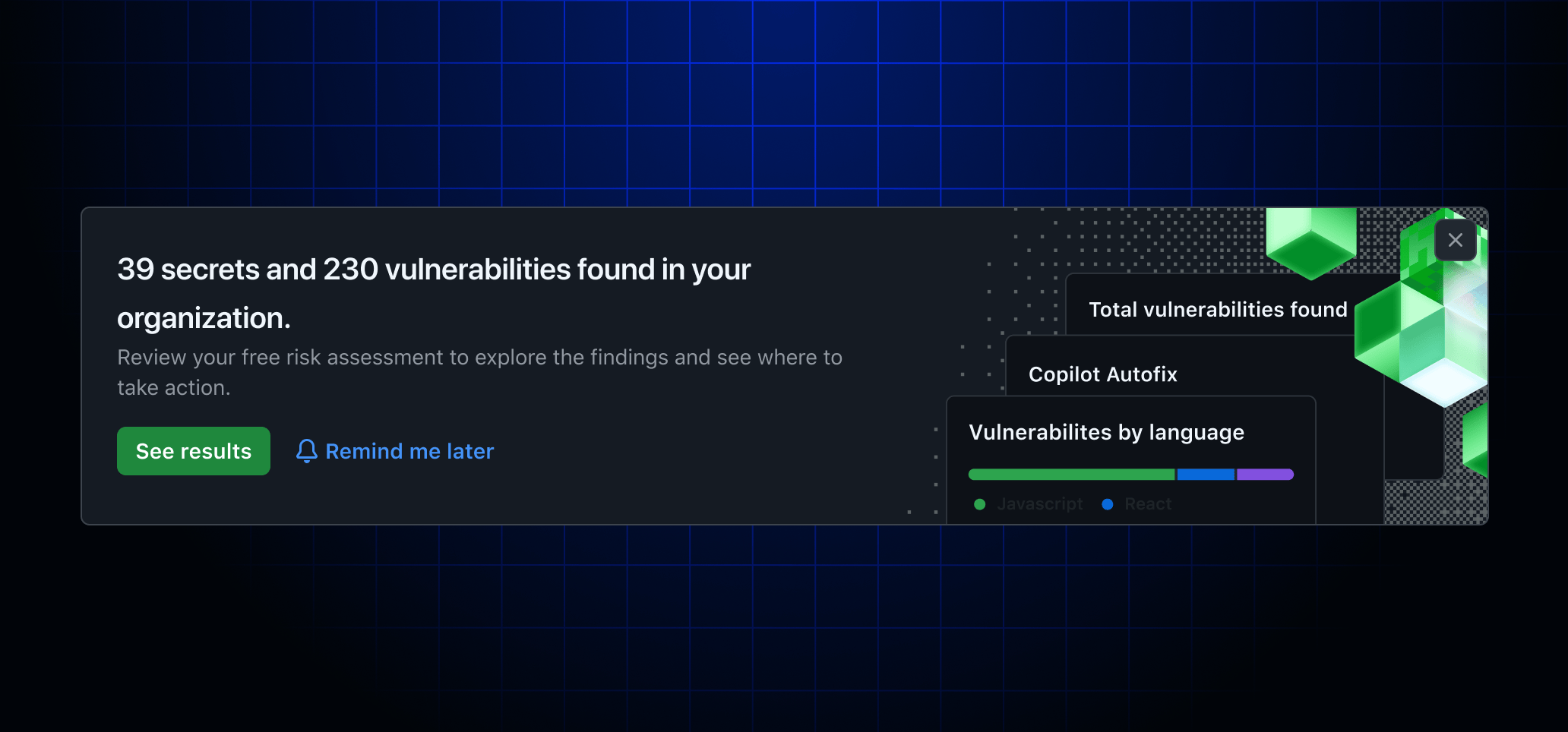
GitHub now runs security risk assessments automatically for organizations on GitHub Team. Organization administrators and security managers can review free findings covering exposed credentials and code vulnerabilities, then use them to prioritize remediation.
Recommended action: If an organization is on GitHub Team, open its security overview and record the assessment date, repository coverage, highest-risk finding, and remediation owner. Treat the report as a triage view, not proof that repositories are clean.
- Urgency: This week
- Importance: ★★★★☆
- Verified active: November 19, 2026
- Deadline: No deadline
- Cost: Assessment included at no additional charge for GitHub Team organizations; GitHub Team subscription required
- Requirements: GitHub Team organization; organization-admin or security-manager role
- Official announcement: GitHub Changelog
Linux & Self-Hosting
The Fedora exercise demonstrates an important command-line habit: small, inspectable tools become more useful when their inputs and outputs are joined deliberately. The lesson transfers from word lists to logs, package inventories, checksums, and configuration files.
Teaching Corner
Wordle Terminal Pipelines is a short classroom-ready activity: students work in a dedicated directory, analyze a copied word list, submit one pipeline with representative output, and explain what each stage does. It keeps the learning goal on command-line reasoning rather than finishing the full source tutorial.
GitHub Discoveries
GitHub Team’s automatic assessment is most useful as a prioritization surface. Administrators should still verify repository coverage, validate findings, rotate exposed credentials, and track remediation rather than treating a single dashboard as continuous assurance.
PKb Candidates
Explainable shell pipeline: Preserve a template that records the input file, each pipeline stage, expected intermediate shape, final output, and one safe rollback or cleanup step.
Security assessment ledger: For each assessment, record scope, date, critical finding, owner, remediation evidence, and the next verification date.
tags: linux - bash - teaching - csta - artificial-intelligence - github - cybersecurity