PTIR — Daily Briefing — 2026-10-16
by
Executive Summary
Ubuntu 26.10 arrived October 15 with a useful combination for a disposable lab: the opt-in Myna local speech-to-text preview, post-quantum-ready package-signature verification, Linux 7.3, GNOME 51, and current developer toolchains. It is an interim release supported only until July 2027, so it belongs in a virtual machine or test partition—not on a stable system that should remain on Ubuntu 26.04 LTS.
Meta also released Muse Spark Open. The weights are available, but “desktop” is doing considerable work in the announcement: Meta’s own recipe needs two M5 Ultra Mac Studios, while its smallest official checkpoint is about 537 GB before runtime overhead. The practical action is to save the model card and hardware facts, not start a download.
Action Queue
1. Build an Ubuntu 26.10 disposable test VM
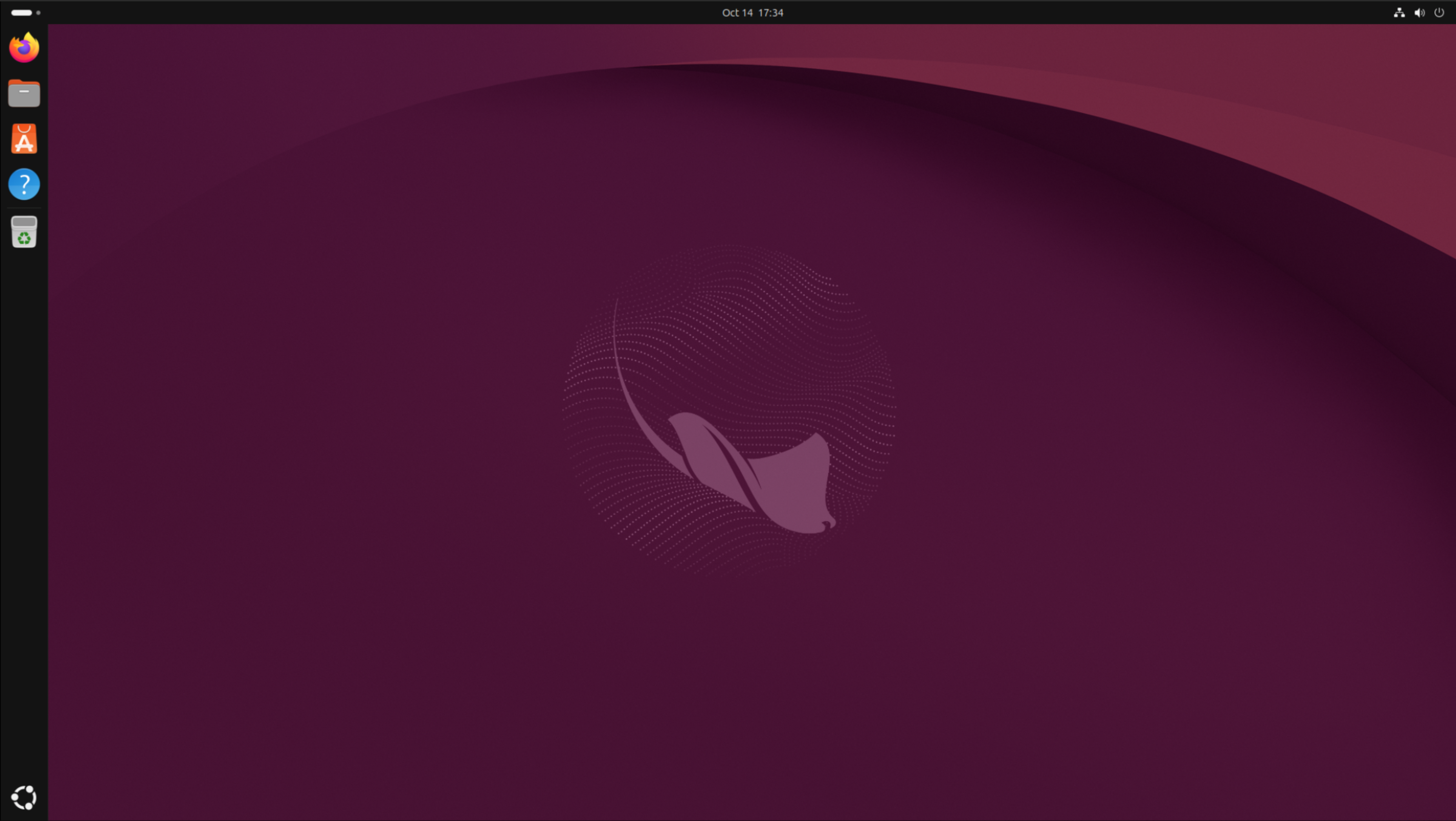
Ubuntu 26.10 is a short-lived technology-preview release. Its most interesting desktop addition is Myna, an opt-in, local-model speech-to-text agent with visual feedback. Canonical also completed its Rust-based coreutils rollout, introduced post-quantum-ready APT signature verification with Sequoia PGP, and refreshed the development stack.
Action: Read the release notes first. If Myna, GNOME 51, or the newer toolchains matter to current work, download the official ISO, verify its checksum, and create a disposable VM. Keep Ubuntu 26.04 LTS on systems where stability matters; do not convert a production workstation merely to sample an interim release. Record whether local dictation works acceptably with course-authoring text and whether the VM exposes any compatibility issues worth revisiting.
- Urgency: This week
- Importance: ★★★★☆
- Verified active: October 16, 2026
- Deadline: Support ends in July 2027
- Cost: Free and open source; upgrades are free
- Requirements: Compatible virtualized or spare x86-64 hardware, adequate storage and memory for Ubuntu Desktop, an ISO checksum check, and no irreplaceable data in the test environment
- Official release announcement: Ubuntu 26.10 “Stonking Stingray”
- Release notes and known issues: Ubuntu 26.10 release notes
- Official download: Download Ubuntu
2. Save Muse Spark Open’s model card; skip the download without matching hardware
Muse Spark Open is a natively multimodal, open-weight mixture-of-experts model with 816 billion total parameters, 42 billion active parameters, and a one-million-token context window. Meta publishes the weights under its Muse Model License with limited commercial terms. This is a material change from the closed Muse releases covered earlier this week, but not a routine local-LLM install.
Action: Save the official model card and license alongside the existing model-evaluation notes. Do not download the checkpoints unless a real experiment has matching hardware, storage, a fixed evaluation task, and an approved spend cap. Meta lists the BF16 weights at about 1.65 TB and the NVFP4 checkpoint at about 537 GB, excluding cache, activations, and runtime overhead. For a future hosted test, compare total cost and data-handling terms before sending any code or documents.
- Urgency: No deadline
- Importance: ★★★★☆
- Verified active: October 16, 2026
- Deadline: No deadline
- Cost: Weights are free for many developers under the Muse Model License; storage, high-end local hardware, and hosted inference are not free
- Requirements: License review; Python 3.10+; Hugging Face tooling; at least 537 GB for the smallest official checkpoint before runtime overhead; Meta’s local Mac recipe uses two M5 Ultra Mac Studios
- Official announcement: Meta AI Research: Muse Spark Open
- Model card and weights: Muse Spark Open on Hugging Face
- Official hardware and download guide: Get the model
Linux & Self-Hosting
Ubuntu 26.10 is valuable as a preview of what may mature into the next LTS: local speech recognition, Rust-based core utilities, newer identity integration, and post-quantum package-signature work. Its nine-month lifetime makes it a test artifact rather than a long-term server baseline.
AI
Muse Spark Open changes the access model, not the evaluation discipline. Open weights enable inspection and self-hosting, but the release is under a custom license and requires unusually large storage and memory. Reuse the fixed synthetic task and safety rubric described in the October 13 model test if the hardware or hosted economics ever become reasonable.
PKb Candidates
“Open weights” needs three qualifiers
Record the license, complete deployment footprint, and realistic runtime hardware every time an open-weight model is saved. A downloadable checkpoint can still be commercially restricted, operationally impractical, or dependent on paid infrastructure.
tags: Ubuntu - Linux - Myna - local AI - Meta - Muse Spark Open - open weights - macOS