PTIR — Daily Briefing — 2026-09-07
by
Executive Summary
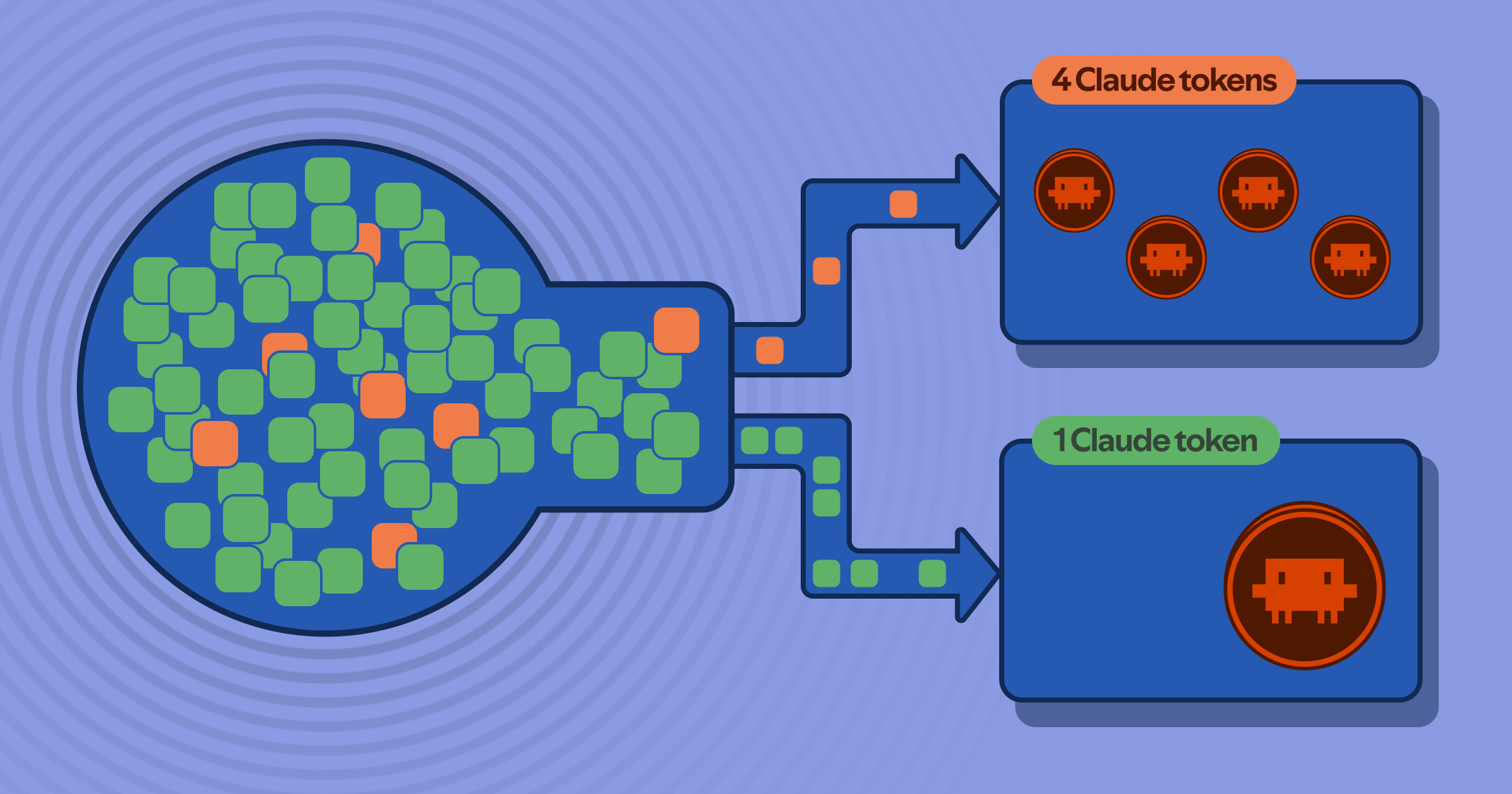
Two engineering changes deserve a controlled look. Spotify documented a model-routing design that delegates high-volume, low-reasoning coding-agent work to a cheaper model; in one Java-monorepo test, this reduced the frontier model’s input burden by about 90%. Separately, the Polars 2.0 release candidate makes its streaming engine the default for lazy queries and tightens several previously permissive behaviors. Both are useful patterns, but neither should move directly into production without workload-specific tests.
Action Queue
Save Spotify’s “cheap model for I/O, frontier model for reasoning” pattern
What it is: Spotify Engineering describes two declarative Portal modes: a bulk reader for large-file analysis and a code writer for predictable boilerplate. A Claude Code plugin uses hooks to force qualifying work through a lower-cost worker model while reserving the frontier model for debugging, architecture, and safety-critical reasoning.
Why it matters: Coding-agent cost and context pressure often come from reading and generating routine material, not from difficult reasoning. The article supplies a reusable design pattern—classification, enforced routing, narrow worker instructions, and explicit exclusions—that can inform other agent workflows even without adopting Spotify Portal.
Recommended action: Save the article and extract its routing rules into a short evaluation checklist. If testing, use a disposable repository and compare output quality, latency, and total cost against the existing single-model workflow.
- Urgency: This week
- Importance: ★★★★☆
- Verified active: September 7, 2026
- Deadline: None
- Cost: Article and referenced plugin source are free to read; running the workflow requires a Portal instance and configured model access, with provider-specific costs
- Requirements: Portal with AiKA enabled, Claude Code, the Portal and Shunt plugins, and a configured worker model
- Official source: Portal by Spotify cut my Claude Code token usage by 90%
Test Polars 2.0 RC only against representative pipelines
What it is: Polars has published the first 2.0 release candidate. Lazy queries now default to the streaming engine; operations such as joins and grouping no longer guarantee observable row order unless requested. The release also rejects some lossy type coercions and mismatched horizontal concatenations that previously could produce plausible but incorrect results.
Why it matters: The stricter failures are valuable for data integrity and AI-generated code, but the default-engine and ordering changes can break tests or downstream assumptions. This is a migration-planning release, not a signal to upgrade production immediately.
Recommended action: If Polars is in use, run the release candidate and migration guide against a disposable copy of one real pipeline. Add explicit ordering where output order is meaningful and test type-boundary cases before adopting 2.0.
- Urgency: This week
- Importance: ★★★★☆
- Verified active: September 7, 2026
- Deadline: None; the final 2.0 release is expected in the coming weeks
- Cost: Free and open source
- Requirements: A Python or Rust Polars environment and representative test data; use a nonproduction environment for the release candidate
- Official source: Polars 2.0 pre-release announcement and migration guidance
AI
Spotify’s result is best read as a model-routing case study, not a universal 90% savings promise. The measured result came from four scenarios in one Java monorepo. The durable lesson is to route predictable, high-volume I/O separately while keeping subtle debugging and architectural judgment with the stronger model.
Open Source
Polars 2.0’s stricter defaults aim to surface schema and shape problems earlier. Of particular interest for agent-assisted development, the project recommends using collect_schema() so generated queries can catch schema-level mismatches without materializing data.
PKb Candidates
- Model-routing decision record: Define which agent tasks are safe to delegate by reasoning requirement, data sensitivity, latency, and verification cost.
- Dataframe ordering contract: Record where pipeline correctness depends on stable row order and require explicit ordering at those boundaries.
Newsletter Highlights
TLDR Data surfaced both official engineering posts. The consequential claims above were checked against Spotify Engineering and the Polars project’s own release announcement.
tags: ai - coding-agents - model-routing - polars - python - open-source